Clothing Ad
You’re scrolling through TikTok, and suddenly you stop. A clothing ad just caught your eye. It’s not because it was pushy or salesy, but because it felt authentic, engaging, and downright irresistible.
That’s the power of well-crafted clothing ads.
Here’s the thing: the fashion industry is one of the most competitive spaces online, and clothing ads are everywhere. But most of them? They’re forgettable.
The difference between an ad that converts and one that gets skipped comes down to understanding what makes people stop, watch, and pull out their credit cards.
In this guide, you’ll learn the nuances of creating clothing ads that look good AND perform.
Key Takeaways

- Clothing ads are short-form promotional videos or images designed to showcase, well, clothes, and drive purchases. With video ads generating 1200% more shares than text and image content combined
- The most effective clothing ads in focus on authenticity and storytelling rather than traditional product shots. User-generated content (UGC) style ads convert 5x better than polished studio content
- Platform matters tremendously—TikTok clothing ads and posts see an average engagement rate of 0.95%, compared to Instagram’s 0.147% and Facebook’s 0.018%
- Short-form video tools like QuickVid enable marketers to create professional clothing ads at scale without expensive production teams
- Testing and iteration are non-negotiable—successful clothing brands run 15-20 different ad variations simultaneously to identify winners
What Are Clothing Ads?
Clothing ads are promotional content specifically designed to showcase apparel, footwear, and fashion accessories with the goal of driving awareness, engagement, and ultimately sales.
They’re the bridge between your product and your customer’s wallet.
But let’s be clear: clothing ads today look nothing like they did even two years ago.
Traditional clothing ads were glossy catalog photos or TV commercials featuring models on runways. Today’s clothing ads are:
- Short-form videos (15-60 seconds) optimized for social media platforms
- User-generated content that feels authentic and relatable
- Interactive experiences that let viewers visualize products in real-life contexts
- Story-driven narratives that connect emotionally with audiences
- Shoppable content with direct purchase links embedded
The shift happened because consumer behavior changed. People don’t want to be sold to anymore. Instead, they want to be entertained, educated, and inspired.
Your clothing ad needs to do all three in under 30 seconds.
Yes, it’s a tall order, but doable.
Types of Clothing Ads
We can categorize clothing ads into a few broad categories based on the nature of the creative and the goal of the ad.
Product Showcase Ads: These focus purely on the clothing item itself. Think 360-degree views, close-ups of fabric texture, and demonstrations of features like pockets, zippers, or stretch material.
They work best for items with unique selling points.
Lifestyle Ads: These show your clothing in action and a specific aesthetic or way of life. It could be someone wearing your jacket while hiking, your dress at a wedding, or your sneakers during a workout. They help customers visualize themselves using the product and associate your product with certain movements or activity choices.
UGC-Style Ads: These mimic organic content from real customers. They’re filmed on smartphones, feature real people (not models), and feel like a friend’s recommendation rather than a corporate advertisement. These are extremely effective right now.
Testimonial Ads Real customers sharing their genuine experiences with your clothing. The “I bought this and here’s what happened” format that builds trust instantly.
Trend-Driven Ads These capitalize on current fashion trends, viral sounds, or cultural moments. They’re timely, relevant, and highly shareable. With that being said, they don’t usually sell the product directly.
Why Clothing Ads Matter More Than Ever
The numbers don’t lie. The global online fashion market is projected to reach .96 trillion by 2030, and the competition for customer attention has never been fiercer.
Here’s what makes clothing ads absolutely critical:
Consumer Behavior Has Shifted to Mobile 73% of fashion purchases now start with a mobile search or social media scroll. If your clothing ad isn’t optimized for mobile viewing, you’re invisible to three-quarters of your potential customers.
Attention Spans Are Shrinking. You have approximately 2.5 seconds to grab someone’s attention before they scroll past your ad. That’s less time than it takes to read this sentence.
Social Commerce Is Exploding. TikTok Shop, Instagram Shopping, and Pinterest’s shopping features have turned social platforms into full-fledged storefronts. Clothing ads aren’t just awareness tools anymore—they’re direct sales channels.
Ad Costs Are Rising. The average cost per click for fashion and clothing ads increased 34% from 2023 to 2025. You need ads that convert better to maintain profitability.
Trust in Traditional Advertising Is Declining. Only 25% of consumers trust traditional ads, but 92% trust recommendations from individuals (even strangers) over brands.
What does all this mean?
Your clothing ads need to be optimized for mobile, grab attention fast, and feel like recommendations, not commercials.
The brands winning in this environment aren’t necessarily the ones with the biggest budgets. They’re the ones creating authentic, engaging clothing ads that resonate with their specific audience.
The Anatomy of High-Converting Clothing Ads
Let me break down exactly what makes a clothing ad convert like crazy. I’ve analyzed hundreds of top-performing ads, and they all share these elements:
The Hook (First 3 Seconds)
This is make-or-break. Your hook needs to:
- Create pattern interruption (something unexpected that stops the scroll)
- Promise value (what’s in it for the viewer?)
- Trigger curiosity (make them want to know more)
There are countless hooks that can be used. They have many things in common. For example, I just bought this X, how does it look? I did the work (of purchasing) so you don’t have to. It goes on and on. Here are a few practical examples. Examples of killer hooks include:
- “I spent 0 on Amazon clothes so you don’t have to”
- “This dress looks like 0—here’s why”
- “POV: You finally found jeans that actually fit”
- “I wore this outfit to 5 different events and no one noticed”
The Problem-Solution Framework
Great clothing ads identify a pain point and position the product as the solution to that pain. This doesn’t need to be an elaborate setup. It can be simple and direct:

- Problem: “Tired of jeans that gap at the waist?”
- Solution: “These have an adjustable waistband that actually works”
This framework is simple, but it delivers results because it shows you understand your customer’s frustrations. As mentioned earlier, UGC is one of the best formats right now. When you use a strong hook with the problem-solution framework, results are inevitable.
Social Proof Elements
Just like the problem-solution framework, social proof doesn’t need to be a grand affair. Social proof needs to convey that other people are buying and or using the product. Consider using one of these:
- Customer testimonials or reviews
- “Sold X units in Y days” statements
- Before/after transformations
- Influencer endorsements
- User-generated content clips
The Visual Quality Sweet Spot
Here’s a counterintuitive truth: your clothing ads don’t need to look professionally produced. In fact, ads that look too polished often perform worse.
The sweet spot is “high-quality casual.” That means good lighting, stable footage, clear audio, but filmed in a real environment with a smartphone. This maintains authenticity while ensuring the product looks good.
Clear Call-to-Action
Don’t make people guess what to do next. Your CTA should be:
- Specific: “Shop now” not “Learn more”
- Urgent: “Limited stock” or “Sale ends tonight”
- Easy: One click to purchase
Optimal Length
Each social media ad platform has its own nuances. Consider the following to determine how to develop your clothing ad creatives:
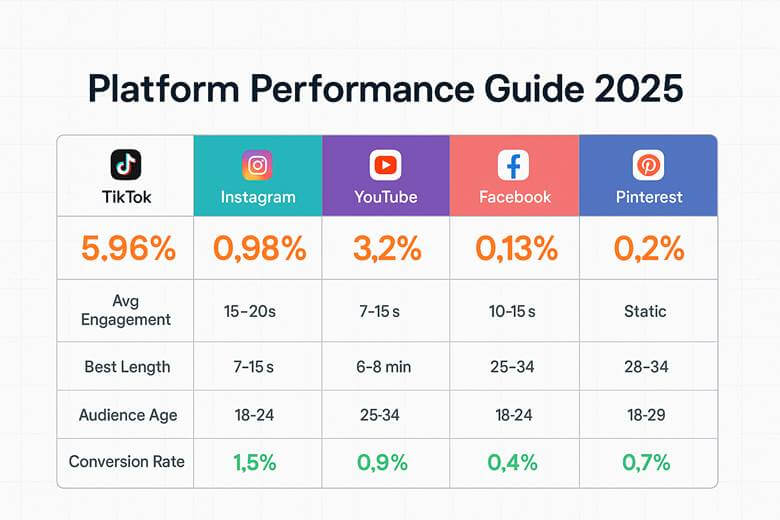
- TikTok: 21-34 seconds (highest completion rate)
- Instagram Reels: 15-30 seconds
- YouTube Shorts: 15-45 seconds
- Facebook: 15 seconds or less
Shorter isn’t always better. The goal is to match the platform’s algorithm preferences and user behavior patterns.
How to Create Clothing Ads That Convert
Creating effective clothing ads doesn’t require a Hollywood budget or a professional film crew. The process is way more important. You can even take a low-budget production and turn it into a money-printing machine.
You just need to follow the right steps. Here’s my step-by-step process:
Step 1: Know Your Audience Inside Out
Before you film a single frame, answer these questions:
- Who is your ideal customer? (Age, gender, location, interests. Do a complete psychographic profile if possible)
- What problems do they face with clothing? (This doesn’t have to be something epic. It can be something as simple as the material is uncomfortable).
- Where do they spend time online?
- What type of content do they already engage with?
- What’s their price sensitivity?
Create a detailed customer avatar. The more specific, the better. “Women aged 25-45” is too broad. “32-year-old working moms who struggle to find professional clothes that are also comfortable and affordable” is actionable.
Step 2: Develop Your Unique Angle
The fashion space is crowded. Your clothing ad needs a unique angle that differentiates you. Consider:
The Transformation Angle: Show the before/after of wearing your clothing. Not just physical appearance, but the emotional transformation as well. Are they more confident, do they feel more stylish, or are they supremely comfortable?
The Education Angle: Teach something valuable. “How to style this dress 5 different ways” or “The fabric science that makes these pants wrinkle-free.”
The Entertainment Angle: Make people laugh, feel inspired, or experience an emotion. Entertainment value makes ads shareable.
The Insider Angle: Behind-the-scenes of how your clothing is made, the story behind the design, or insider fashion tips.
The Movement Angle: It’s bigger than you or me. Buying this piece of clothing is becoming a part of a movement that’s uplifting/motivational/aspirational/etc.
Step 3: Script Your Ad
Even if you’re going for a casual, off-the-cuff vibe, you need a script. It doesn’t have to be word-for-word, but outline it with the main talking points:
- Opening hook (exact words)
- Main points to cover (3-5 max)
- Social proof to include
- Closing CTA (exact words)
Keep it conversational. Write like you talk. Read it out loud. If it sounds stiff or unnatural, rewrite it.
Step 4: Gather Your Assets
You’ll need:
Video Footage
- Product shots (various angles)
- Lifestyle footage (product being worn)
- B-roll (complementary footage)
- Customer testimonials (if available)
Images
- High-quality product photos
- Customer photos (with permission)
- Lifestyle images
Audio
- Trending sounds (for TikTok/Reels)
- Background music
- Voiceover (yours or a creator’s)
Text Overlays
- Captions for accessibility
- Key points highlighted
- Pricing and offers
Step 5: Film or Create Your Content and edit
If you’re filming yourself:
Lighting: Natural light is your best friend. Film facing a window during daytime. Try to work with early morning light or evening light. It flatters the most. In lieu of that, stay out of direct sunlight so it won’t be too harsh.
Stability: Use a tripod or stable surface. Shaky footage looks unprofessional. It IS unprofessional.
Audio: Use a microphone or film in a quiet space. Bad audio kills even great visuals. You can use a free tool like Audacity to process the audio to remove background noise.
Background: Keep it simple and relevant. A messy background is distracting. A plain background should work well. Try to remove unnecessary elements form the shot.
Framing: Follow the rule of thirds. Keep the subject (you or the product) slightly off-center.
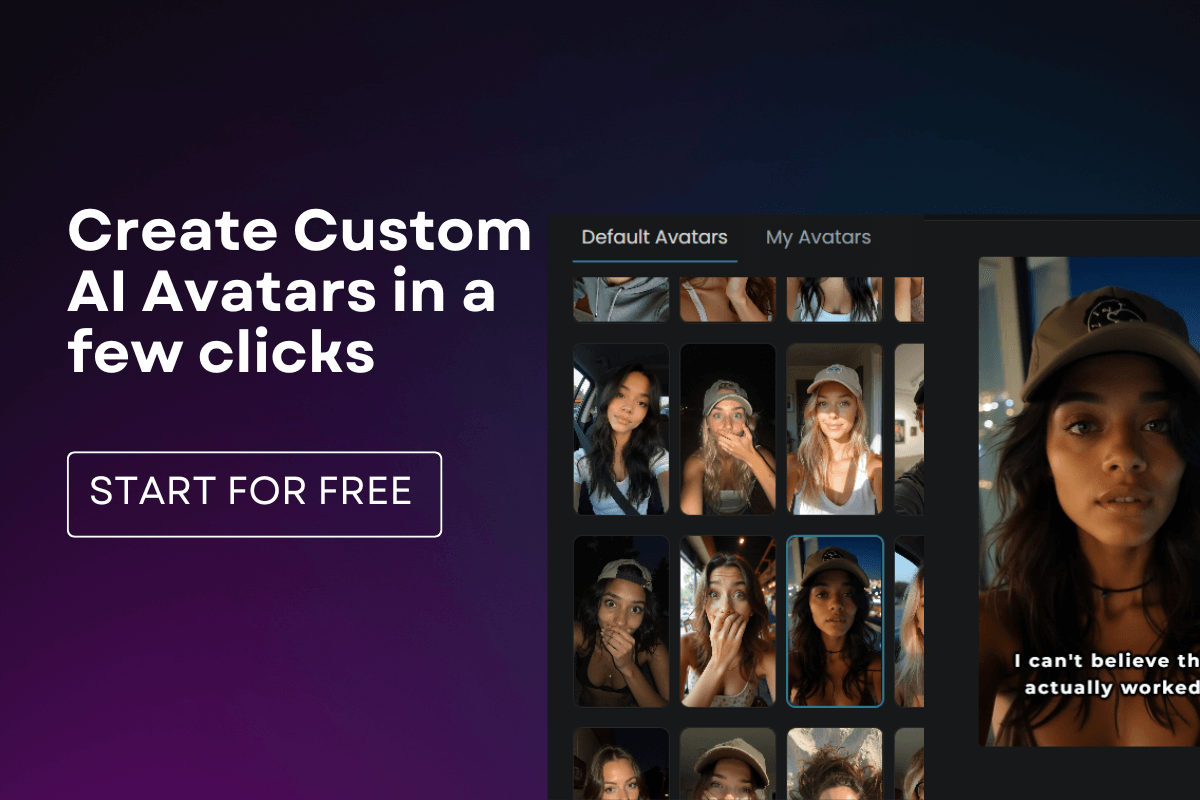
If you’re using tools to create content, platforms like QuickVid allow you to generate professional-looking clothing ads without filming anything yourself. You can input your product details, select templates, and create multiple ad variations in minutes.
It’s ideal for testing different hooks, models, and variations. Once you find a winning format, you can scale up.
Step 6: Edit for Maximum Impact
Editing is where good footage becomes a great ad. There are a few key areas to focus on:
Pacing: Keep it dynamic. Cut between shots every 2-4 seconds to maintain attention.
Text Overlays: Add captions and key points. 85% of social videos are watched without sound. Of course, this is a misleading statistic. When you open many social media apps, the videos are muted by default and people only turn on sound when they find the visuals interesting.
Transitions: Use simple transitions. Fancy effects often distract from the message.
Color Grading: Slight color correction makes your clothing look more appealing. Boost saturation slightly and ensure skin tones look natural.
Sound Design: Layer music, voiceover, and sound effects thoughtfully. The audio should enhance, not overwhelm.
Tools QuickVid can handle much of this editing automatically, applying proven templates and best practices to your content.
Step 7: Test Multiple Variations
Never run just one ad. Create at least 5-10 variations testing:
- Different hooks
- Different angles (transformation vs. education vs. entertainment)
- Different lengths
- Different CTAs
- Different visual styles
Run them simultaneously with small budgets to identify winners, then scale the best performers.
You may not have breakout winners. In fact, it’s unlikely that you’ll have breakout winners immediately. Rather, you may find an angle that gets better engagement but the CTA or the rest of the video needs work.
You take the best performers and create variations of those. Continue until you have a ROAS you’re happy with.
Step 8: Optimize Based on Data
Monitor these metrics:
Engagement Metrics
Engagement metrics are leading indicators of success. Oftentimes, what leads to high engagement doesn’t lead to sales. But, if you can find the clothing ads that produce engagement, you can mix it with the elements that produce sales to produce a winner.
- View-through rate (how many people watch to the end)
- Engagement rate (likes, comments, shares)
- Click-through rate (CTR)
Conversion Metrics
This is the most important metric but it doesn’t exist in a bubble. Pay close attention to your return on ad spend. If you get tens of thousands of conversions but are only breaking even, the campaign is a failure. Optimize towards a higher return on ad spend.
- Conversion rate
- Cost per acquisition (CPA)
- Return on ad spend (ROAS)
Audience Metrics
- Demographics of engagers
- Time of day performance
- Platform performance
Use this data to refine your approach. If 15-second ads outperform 30-second ones, make more short ads. If educational angles convert better than entertainment, lean into that.
Platform-Specific Clothing Ad Strategies
Each platform has its own culture, algorithm, and best practices. Here’s how to optimize clothing ads for each:
TikTok Clothing Ads
TikTok is the current king of clothing ad performance. The platform’s algorithm favors engaging content regardless of follower count, giving even new brands massive reach potential.
Best Practices:
- Lead with the hook immediately (no intro needed)
- Use trending sounds but make sure they fit your brand
- Embrace the raw, authentic aesthetic—polished ads often flop here
- Participate in challenges and trends when relevant
- Post consistently (3-5 times per week minimum)
- Leverage TikTok Shop for seamless purchasing
Optimal specs:
- Length: 21-34 seconds
- Aspect ratio: 9:16 (vertical)
- Resolution: 1080×1920
- File size: Under 287.6 MB
Pro tip: Create content that doesn’t immediately look like an ad. The first 3 seconds should feel like organic TikTok content.
Instagram Reels Clothing Ads
Instagram Reels reach is still strong, especially for fashion content. The platform skews slightly older than TikTok and has a more polished aesthetic expectation.
Best Practices:
- Higher production value than TikTok (but not overly corporate)
- Use Instagram’s shopping features to tag products
- Leverage carousel posts for multi-product showcases
- Stories ads for time-sensitive offers
- Strong visual aesthetics matter here so maintain brand consistency
Optimal specs:
- Length: 15-30 seconds
- Aspect ratio: 9:16 (vertical)
- Resolution: 1080×1920
Pro tip: Repurpose your TikTok content for Reels, but adjust the captions and hashtags for Instagram’s audience.
YouTube Shorts Clothing Ads
YouTube Shorts are underutilized by fashion brands, which means less competition and potentially better ROI.
Best Practices:
- Educational content performs well (how-to’s, styling tips)
- Longer shelf life than TikTok or Instagram
- Strong SEO optimization (titles, descriptions, tags)
- Link to full product videos in your channel
Optimal specs:
- Length: 15-60 seconds
- Aspect ratio: 9:16 (vertical)
- Resolution: 1080×1920
Pro tip: YouTube Shorts can drive traffic to your longer-form content and build a more engaged audience over time.
Facebook Clothing Ads
Facebook’s organic reach is declining, but its paid advertising platform remains powerful for clothing brands, especially those targeting older demographics (35+).
Best Practices:
- Shorter is better (15 seconds or less)
- Captions are essential (most watch without sound)
- Clear product benefits stated upfront
- Strong retargeting capabilities through Facebook Pixel
- Detailed audience targeting options
Optimal specs:
- Length: 15 seconds
- Aspect ratio: 1:1 (square) or 4:5 (vertical)
- Resolution: 1080×1080 or 1080×1350
Pro tip: Use Facebook’s advantage+ shopping campaigns to automatically optimize your clothing ads across placements.
Pinterest Clothing Ads
Pinterest is a discovery platform where users actively search for fashion inspiration. It’s perfect for clothing brands with strong visual identity.
Best Practices:
- High-quality, vertical images perform best
- Lifestyle context (show clothing being worn in aspirational settings)
- SEO-optimized descriptions with keywords
- Seasonal content (plan 45-60 days ahead)
- Shopping ads with direct product links
Optimal specs:
- Aspect ratio: 2:3 (vertical)
- Resolution: 1000×1500
Pro tip: Pinterest users are planners. Create content around upcoming seasons, holidays, and events.
Common Clothing Ad Mistakes to Avoid
I’ve seen countless clothing ads fail, and they usually make one (or more) of these mistakes:
Mistake #1: Focusing on Features Instead of Benefits
Wrong: “These jeans have a 98% cotton, 2% spandex blend with reinforced stitching.”
Right: “These jeans move with you all day and never lose their shape.”
People don’t usually care about specifications. They care about how the product improves their life. They also care about the way it makes them feel.
It’s common knowledge that facts tell, emotions sell. Use the facts to justify the purchase. Use emotions (benefits) to get the purchase.
Mistake #2: Using Only Models
Professional models are beautiful, but they’re not relatable. Your audience wants to see the clothing on people who look like them. That means different body types, ages, and styles.
Mix professional shots with UGC content featuring real customers to get the best of both worlds. Or, use models that aren’t models.
Mistake #3: Making Ads Too Long
Every second counts. If you can say it in 20 seconds instead of 40, do it. Ruthlessly cut anything that doesn’t serve the core message.
You want dynamic cuts that deliver your message as quickly as possible and ensure the viewer knows what to do next.
Mistake #4: Weak or Missing CTAs
Don’t assume people know what to do next. Tell them explicitly:
- “Shop now”
- “Link in bio”
- “Swipe up to get yours”
- “Limited stock—order today”
Mistake #5: Ignoring Mobile Optimization
Over 80% of social media usage happens on mobile devices [11]. If your ad looks great on desktop but terrible on mobile, you’ve failed.
Always preview your ads on mobile before publishing.
Mistake #6: Not Testing
Your gut feeling is where products go to die. Never assume you know what will and won’t work. I’ve seen some of the simplest creatives outperform those with a massive budget.
What works, works.
The market will tell you, but only if you test enough.
Running a single ad and hoping for the best is gambling, not marketing. Create multiple variations and let the data tell you what works.
Mistake #7: Overproducing
Sometimes the most “professional” looking ads perform the worst. They feel like ads, which triggers people’s natural ad-avoidance instincts.
Nobody likes ads. This isn’t the 50’s. This isn’t an excuse not to produce good ad creatives. Rather, don’t over polish.
Find the sweet spot between quality and authenticity.
Mistake #8: Not Retargeting
Someone who watched 75% of your clothing ad but didn’t purchase is a hot lead. Create retargeting campaigns specifically for people who engaged with your ads but didn’t convert.
Test out different engagement levels. 25%, 50%, and 75% viewership are good starting points.
The Psychology Behind Effective Clothing Ads
Understanding why people buy clothing helps you create more effective ads. Here are the psychological principles at play:
Social Proof
Humans are social creatures. We look to others to validate our decisions. That’s why:
- Customer reviews in ads increase conversions by 270%
- Influencer endorsements create instant credibility
- “X people bought this” statements trigger FOMO (fear of missing out)
Incorporate social proof in every clothing ad you create. It doesn’t need to be over the top and it can be as simple as a verbal mention. Few people take the time to fact check and will take many statements at face value.
Scarcity and Urgency
This is why Black Friday sales are so effective. Limited availability makes things more desirable. Use phrases like:
- “Only 3 left in stock”
- “Sale ends tonight”
- “Limited edition release”
But be honest. Fake scarcity damages trust and can backfire. People are smarter than most marketers give them credit for.
The Mere Exposure Effect
The mere exposure effect. People develop preferences for things simply because they’re familiar with them. This is why:
- Consistent posting builds brand recognition
- Retargeting works so well
- Brand consistency matters
The more someone sees your clothing ads (without being annoyed), the more likely they are to eventually purchase.
What does that mean for you?
Show up everyday with your organic ads and retarget with paid ads.
Emotional Connection
People make purchasing decisions emotionally and justify them rationally. Your clothing ads should:
- Tell stories that evoke emotions
- Show transformations (confidence, happiness, belonging)
- Create aspirational scenarios people want to be part of
The best clothing ads make people feel something before asking them to buy something.
Reciprocity
When you give value first, people feel compelled to give back. That’s why educational and entertaining clothing ads often outperform purely promotional ones.
Give styling tips, fashion advice, or entertainment, and people are more likely to support you by making a purchase.
Measuring Success: Clothing Ad Metrics That Matter
💰 Clothing Ad ROI Calculator
Calculate your ad performance metrics and ROI instantly
📊 Your Ad Performance
💡 Recommendation
Enter your data to get personalized recommendations.
Creating great clothing ads is only half the battle. You need to measure performance to improve. Here are the metrics I track:
Top-of-Funnel Metrics
These metrics can be taken with a grain of salt. At the end of the day, you want to make sales. The more impressions you get, the more likely you are to get in front of the people who will purchase from you. But that’s no guarantee of success.
Impressions: How many people saw your ad. Useful for brand awareness campaigns.
Reach: How many unique people saw your ad. More valuable than impressions for understanding audience size.
View-Through Rate (VTR): Percentage of people who watched your entire ad. Indicates content quality and relevance.
Engagement Rate: Likes, comments, shares, and saves divided by impressions. Shows how compelling your content is.
Middle-of-Funnel Metrics
These are metrics closer to your ultimate goal of making a sale. It’s important to optimize for them, but keep in mind that it can be misleading. For example, some audiences may have a higher cost per click but they also have a much higher conversion rate and average order value.
Click-Through Rate (CTR): Percentage of people who clicked your ad. Industry average for fashion ads is 1.61%.
Cost Per Click (CPC): How much you pay for each click. Lower is better. The average for fashion is .24.
Landing Page Views: How many people actually made it to your website or product page.
Bounce Rate: Percentage of people who left immediately after landing. A high bounce rate indicates a disconnect between the ad and the landing page.
Bottom-of-Funnel Metrics
Conversion Rate: Percentage of clicks that resulted in purchases. This is the ultimate metric for ecommerce clothing ads.
Cost Per Acquisition (CPA): How much you spend to acquire one customer. Must be lower than your customer lifetime value to be profitable. In fact, it should be lower than the first purchase average order value.
Return on Ad Spend (ROAS): Revenue generated divided by ad spend. Fashion brands typically target 3:1 or higher (meaning in revenue for every spent).
Average Order Value (AOV): How much customers spend per transaction. Higher AOV improves profitability.
Long-Term Metrics
Customer Lifetime Value (CLV): Total revenue you expect from a customer over their entire relationship with your brand. This is the ultimate measure of how much you can pay for a sale.
Retention Rate: Percentage of customers who make repeat purchases. A rule of thumb is that acquiring a new customer costs at least 5X as much as retaining an existing customer.
Brand Lift: Increase in brand awareness, consideration, or preference. Measured through surveys and brand tracking studies.
Setting Benchmarks
Your specific benchmarks will depend on your:
- Product price point
- Profit margins
- Industry niche
- Target audience
- Platform
Start by tracking everything, then focus on the metrics that most directly impact your business goals.
Your goal is to improve all your metrics but start at the bottom of the funnel metrics such as average order value, conversion rate, and cost per acquisition. Obsess over improving those and your other metrics should improve as well.
Conclusion
This guide has been long but you should have all the information you need about clothing ads.
You know the different types of ads, the structure of high-performing ads, the steps to make yours, platform-specific strategies, the psychology behind good ads, and so much more.
Now, it’s your turn. Go ahead and start making ads and testing them until you find winners.