You’ve uploaded dozens of YouTube Shorts, but they’re barely getting any traction. Frustrating, right?
You’re putting in the work, but the views just aren’t coming. Here’s the thing: getting more views on YouTube Shorts isn’t about luck.
It’s about understanding what the algorithm rewards and giving your audience exactly what they want in those crucial first few seconds.
The YouTube Shorts algorithm operates differently from regular YouTube videos. It prioritizes completion rates, watch time, and engagement signals over traditional metrics like subscriber count.
That means even brand-new creators can rack up millions of views if they nail the fundamentals. This guide breaks down exactly how to get more views on YouTube Shorts using proven strategies.

Key Takeaways
- Hook viewers within 2-3 seconds with compelling visuals and dynamic content to prevent immediate swipes
- Optimize for completion rate by keeping Shorts between 15-35 seconds and delivering a strong payoff
- Post consistently (3+ times per week) to signal active engagement to the algorithm
- Use trending audio from YouTube’s ‘Top sounds’ section to increase discoverability
- Track engaged views in YouTube Studio to understand what truly resonates with your audience
1. Master the First 2-3 Seconds
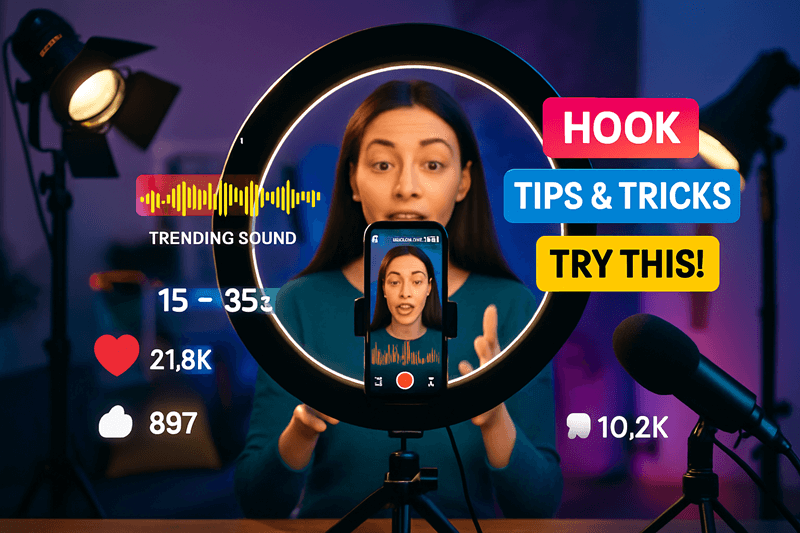
The opening moments of your Short determine everything. Viewers decide within 2-3 seconds whether to keep watching or swipe away. That’s your video hook.
Start with something visually striking or immediately intriguing. Don’t waste time with slow intros or lengthy explanations. Save that for longer videos.
Jump straight into the action. Show the payoff first, then explain how you got there. This pattern-interrupt approach stops the scroll.
Think about what makes someone pause mid-scroll. It’s usually movement, bright colors, unexpected visuals, or a provocative statement.
Use text overlays to reinforce your hook, something like “This mistake cost me 10K views” or “Nobody talks about this YouTube feature.” The combination of visual and text creates a stronger hook than either element alone.
Your first frame matters too. YouTube shows this as the thumbnail in some placements, so make it count. Avoid dark or unclear opening shots. Go for high contrast and clear focal points.
2. Optimize Video Length for Maximum Completion
YouTube’s algorithm loves completion rate. When viewers watch your entire Short, it signals quality content worth promoting. The sweet spot? 15-35 seconds.
Shorter isn’t always better. A 7-second Short might get completed more often, but it doesn’t give the algorithm enough watch time data to work with. A 60-second Short (the maximum) rarely gets watched all the way through unless it’s exceptionally compelling.
Structure your Shorts like this: Hook (2-3 seconds) → Value delivery (10-25 seconds) → Payoff (2-5 seconds). The payoff is crucial because it’s the twist, the reveal, the punchline that makes watching worthwhile. Without a satisfying ending, viewers won’t come back for more.
Test different lengths and monitor your analytics. Some niches perform better at 20 seconds, others at 30. The data tells the story.
If you’re creating automated short-form video content, pay special attention to how length affects your completion rates across different content types.
3. How to Get More Views on YouTube Shorts Through Watch Time Optimization
Watch time and completion rate are the primary algorithm signals. YouTube doesn’t just count views. It measures engaged views, which represent genuine audience attention separated from inflated or spam numbers.

An engaged view means someone watched your content, not just scrolled past it. YouTube’s algorithm can distinguish between these interactions. Focus on creating content that holds attention rather than clickbait that disappoints.
Here’s what drives watch time:
Pacing matters. Cut out dead air. Every second should deliver value or build toward the payoff. Use jump cuts to maintain energy. Don’t let the momentum drop.
Create curiosity gaps. Tease information early that you’ll reveal later. “The third tip changed everything for me” makes viewers stick around to reach tip three.
Add pattern interrupts. Change camera angles, switch scenes, or introduce new visual elements every 5-7 seconds. This prevents viewer fatigue and maintains attention.
Track your average view duration in YouTube Studio. If it’s below 50%, your content isn’t holding attention. Analyze the retention graph to see exactly where viewers drop off, then adjust your content structure accordingly.
4. Maintain a Consistent Posting Schedule
The algorithm rewards active creators. Posting consistently, ideally 3 times per week or daily, keeps your channel fresh and signals commitment to YouTube.
Consistency doesn’t mean sacrificing quality for quantity. It means developing a sustainable content creation system. Batch filming helps. Record 5-10 Shorts in one session, then schedule them throughout the week.
Regular posting creates multiple opportunities for the algorithm to test your content. Each Short is a lottery ticket. More tickets mean better odds of hitting viral numbers. Plus, consistent creators build audience habits. Viewers start expecting and looking for your content.
If you’re struggling to maintain consistency, consider using tools like QuickVid to streamline your short-form video creation process. The goal is sustainable output that doesn’t lead to burnout.
5. Leverage Trending Audio Strategically
Trending audio increases discoverability. YouTube’s algorithm promotes Shorts using popular sounds because they align with current audience interests.
Find trending audio in the ‘Top sounds’ section when creating Shorts. These are sounds currently getting traction across the platform. Using them puts your content in front of viewers already engaging with that audio.
But here’s the catch: the audio needs to fit your content. Don’t force a trending sound onto unrelated content just for the algorithm boost. Viewers notice the disconnect, and it hurts engagement.
When you find a trending sound that matches your niche, act quickly. Trends move fast. What’s hot today might be stale next week. Create and post while the audio is still climbing.
Original audio can work too, especially if it’s catchy or memeable. If your audio takes off, you benefit from everyone else using it. But trending audio is the safer bet for consistent views.

6. Film in Proper Format with High Production Quality
Technical quality matters. YouTube prioritizes well-produced content. That doesn’t mean you need expensive equipment, but you do need to meet basic standards.
Film in 9:16 vertical format. This is non-negotiable for Shorts. Horizontal videos with black bars don’t perform well. The format should fill the entire mobile screen.
Lighting makes or breaks your content. Natural light works great. If filming indoors, face a window. For artificial lighting, ring lights are affordable and effective. Avoid harsh overhead lighting that creates unflattering shadows.
Keep your camera steady. Shaky footage looks unprofessional. Use a tripod or stabilizer. If filming handheld, brace your arms against your body for stability.
Add on-screen text. Many viewers watch without sound. Text overlays ensure your message lands regardless of audio. They also increase accessibility and boost watch time by giving viewers multiple ways to consume your content.
High-quality visuals signal credibility. Viewers associate production quality with content quality. You don’t need cinema-grade equipment, but you do need clear, well-lit, stable footage.
7. Understand and Optimize for Engaged Views
Engaged views are YouTube’s way of filtering quality from quantity. These metrics show genuine audience attention versus passive scrolling or bot activity.
You’ll find engaged views in YouTube Studio analytics. Compare them to total views. A healthy ratio suggests your content resonates. A low ratio indicates viewers aren’t actually watching. Instead, they’re scrolling past.
How do you increase engaged views?
Create content that demands attention. Use strong hooks, maintain pacing, and deliver on your promises. Don’t use misleading thumbnails or titles that create disappointment.
Engaged views correlate with other positive signals: likes, comments, shares, and follows. When viewers genuinely enjoy your content, they interact with it. These interactions compound, telling the algorithm your content deserves broader distribution.
Track both engaged views and average view duration. Together, they paint a complete picture of content performance. High engaged views with low duration means good hooks but weak follow-through. Low engaged views with high duration means distribution issues, not content issues.
8. Include Strategic Calls to Action
CTAs boost engagement signals without feeling pushy. The key is subtlety. Aggressive selling turns viewers off and hurts performance.
Effective CTAs for Shorts:
- “Follow for more [topic] tips”
- “Tag someone who needs this”
- “Which one would you choose?”
- “Try this and let me know how it goes”
Place CTAs in your caption or at the video’s end. Don’t interrupt the content flow with mid-video sales pitches. The CTA should feel like a natural extension of the value you’ve provided.
Questions work particularly well. “What’s your favorite strategy?” encourages comments. Comments signal engagement, which the algorithm rewards. Plus, responding to comments boosts your content’s visibility and builds community.
Avoid begging for likes and subscribers. It comes across as desperate and undermines your authority. Instead, earn engagement by creating content worth engaging with. When you deliver value consistently, viewers naturally want to follow for more.
9. Create Loop Content for Repeat Views
Loops encourage multiple watches. When your Short circles back to the beginning seamlessly, viewers often watch again without realizing it. This multiplies your watch time and completion rate.
Creating loops requires planning. Your ending should connect to your beginning. For example, you can start with someone sitting down and saying, ‘and then, XYZ. End the video by saying something that leads into ‘and then, XYZ’. She started running, and then, XYZ. Perfect loop.
Visual loops work too. End on the same frame you started with. Or create a narrative circle where the conclusion references the opening scenario. The transition should feel natural, not forced.
@johnadamopearce Smoothest loop #fyp #looptrend ♬ Stick Em 2k20 – RoddOnnaBeat
Why do loops matter? Because replays count as new views. When someone watches your Short three times, that’s triple the watch time. The algorithm notices and promotes content that generates repeat views.
Study your analytics to identify which Shorts get rewatched. Look for patterns. Maybe your tutorial content loops better than your entertainment content. Double down on what works.
10. Repurpose Content from Longer Videos
Your long-form content is a goldmine for Shorts. Extract the best moments, insights, or clips and repackage them as standalone Shorts.
This strategy works because:
- It maximizes content ROI
- It drives traffic between formats
- It tests which topics resonate before creating full videos
When repurposing, don’t just clip randomly. Choose segments that work independently. The Short should deliver complete value even if viewers never watch the full video.
If you’re looking for guidance on how to clip YouTube videos effectively, focus on self-contained moments that hook viewers immediately.
Add context through text overlays or quick intros. “Here’s the best tip from my latest video” frames the clip and provides context. Include a subtle CTA to watch the full video for more depth.
Cross-promotion builds momentum across your channel. Shorts bring in new viewers who discover your long-form content. Long-form content provides material for more Shorts. The flywheel effect compounds over time.
11. Study Your Analytics Religiously
YouTube Studio analytics reveal what’s working and what’s not. Check them weekly at a minimum. Daily is better if you’re posting frequently.
Key metrics to track:
| Metric | What It Tells You | Action Items |
| Average view duration | How long viewers watch | Adjust pacing and structure |
| Audience retention graph | Exact drop-off points | Fix weak sections |
| Engaged views | Quality of attention | Improve hooks and payoffs |
| Traffic sources | How viewers find you | Double down on top sources |
| Top Shorts | What content performs best | Create similar content |
The retention graph is particularly valuable. It shows second-by-second viewer behavior. Sudden drops indicate problem areas. Rewatched sections indicate strong content. Use this data to refine your approach.
Compare your top-performing Shorts to your weakest ones. What’s different? Length? Topic? Hook style? Pacing? The patterns reveal your audience’s preferences. Create more of what they love, less of what they ignore.
Analytics transform guesswork into strategy. You’re not hoping for views—you’re engineering them based on proven data. For more insights on marketing strategies, understanding your metrics is crucial.
12. How to Get More Views on YouTube Shorts by Understanding Viral Mechanics
Going viral isn’t random. Viral Shorts share common characteristics that you can replicate.
Viral content typically:
- Triggers strong emotions (surprise, humor, inspiration, anger)
- Relates to trending topics or current events
- Contains shareable moments worth sending to friends
- Delivers unexpected twists or revelations
- Taps into universal experiences
You can’t force virality, but you can increase its likelihood. Create content with viral potential by incorporating these elements. Even if a Short doesn’t go mega-viral, these characteristics still boost performance.
Timing matters too.
Posting when your audience is most active increases initial engagement, which signals the algorithm to push your content further. Check your analytics to identify peak activity times.
Don’t chase virality at the expense of brand consistency.
One-off viral hits that don’t align with your niche bring the wrong audience. They might boost your ego temporarily, but they won’t build a sustainable channel. Focus on creating consistently good content with occasional viral potential.
Understanding how many views is considered viral can help set realistic expectations while you implement these strategies.
Conclusion
Increasing views on YouTube Shorts hinges on understanding what the algorithm prioritizes and what your audience desires.
Master your hooks, optimize for completion rate, post consistently, and let your analytics guide your strategy. These aren’t tricks or hacks. They’re fundamental principles that work regardless of your niche or subscriber count.
Start here:
- Audit your last 10 Shorts in YouTube Studio—identify patterns in your top performers
- Implement the 2-3 second hook rule in your next three uploads
- Test different video lengths between 15-35 seconds to find your sweet spot
- Commit to a consistent posting schedule (start with 3x per week)
- Track engaged views and average view duration weekly
The creators winning on YouTube Shorts aren’t necessarily the most talented or well-funded. They’re the ones who understand the platform, serve their audience, and iterate based on data.
You can do the same. Whether you’re creating content manually or using platforms like QuickVid to scale your production, these principles remain constant.